Litecoin vs Ethereum: A Clear, Practical Comparison
Table of Contents
Litecoin vs Ethereum: Key Differences, Use Cases, and How to Choose Many crypto users compare Litecoin vs Ethereum and see two big names that seem similar at...

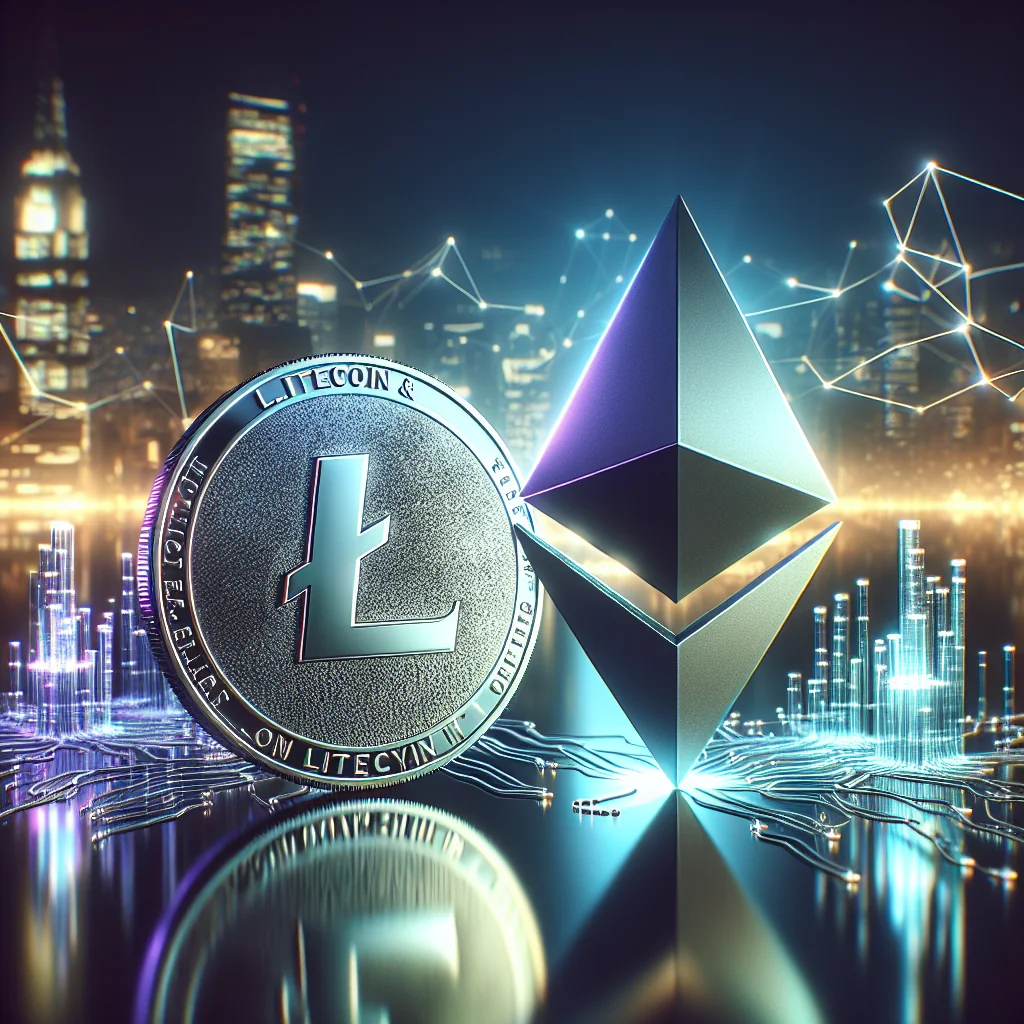
Many crypto users compare Litecoin vs Ethereum and see two big names that seem similar at first glance. Both are older, well-known cryptocurrencies. Both run on public blockchains and trade on major exchanges. Yet their goals, technology, and main use cases are very different.
This guide explains Litecoin and Ethereum in simple terms, side by side. You will see how they differ in purpose, speed, fees, security, and long‑term role. By the end, you should have a clearer view of which asset better fits payments, investing, or building applications.
What Litecoin and Ethereum Were Built to Do
The first key difference between Litecoin and Ethereum is their core purpose. Each project was created to solve a different problem in crypto. Litecoin leans toward payments, while Ethereum focuses on programmable money and applications.
Understanding those original goals helps explain why the two networks feel so different today. It also helps you avoid treating them as direct substitutes when they are not, even if both appear side by side on exchanges.
Litecoin: “Silver to Bitcoin’s gold”
Litecoin launched in 2011 as one of the earliest Bitcoin alternatives. The main idea was simple: keep Bitcoin’s basic design, but make transactions faster and cheaper for daily payments. Litecoin uses a similar code base to Bitcoin, with some tweaks to block time and mining.
The project does not try to be a full smart contract platform. Litecoin focuses on being a lightweight, reliable payment coin that moves value quickly between users and exchanges. Many people see it as a kind of digital silver that complements Bitcoin’s digital gold story.
Ethereum: A programmable blockchain platform
Ethereum launched in 2015 with a much broader goal. Instead of being mostly “money,” Ethereum acts as a global computer that runs smart contracts. Developers can deploy applications that live on the blockchain and run without a central server or single owner.
This design turned Ethereum into a base layer for many things: DeFi, NFTs, DAOs, and more. The native token, ETH, pays for gas fees and also acts as a store of value and staking asset. In practice, Ethereum feels less like a single coin and more like an entire crypto operating system.
Litecoin vs Ethereum: Core Features Side by Side
To compare Litecoin vs Ethereum in a clear way, it helps to see the main technical and economic features in one place. The table below highlights the most important differences you should know before choosing where to spend time or money.
Key feature comparison: Litecoin vs Ethereum
| Feature | Litecoin (LTC) | Ethereum (ETH) |
|---|---|---|
| Main purpose | Fast, low‑cost payments | Smart contracts and decentralized apps |
| Consensus today | Proof of Work (mining) | Proof of Stake (validators, staking) |
| Block time | About 2.5 minutes | About 12 seconds |
| Token supply | Capped at 84 million LTC | No hard cap; supply is managed by protocol rules |
| Smart contracts | Very limited support | Full smart contract support (Solidity, EVM) |
| Typical use cases | Transfers, payments, trading pairs | DeFi, NFTs, DAOs, payments, staking |
| Network fees | Generally low and simple | Variable gas fees; can spike with congestion |
| Age and track record | Live since 2011 | Live since 2015 |
This overview shows that Litecoin behaves more like a traditional coin, while Ethereum acts as a full platform. Your choice should match whether you want simple transfers, exposure to a broad app ecosystem, or some mix of both roles.
Speed, Fees, and Scalability in Daily Use
Many users compare Litecoin and Ethereum based on how they feel in real transactions. Speed, confirmation time, and fees all affect that experience. The design of each network leads to different trade‑offs that show up in daily use.
You should also consider that both ecosystems now use extra layers and tools to handle higher demand and cheaper transfers. These include payment processors, sidechains, and layer‑2 networks that sit on top of the main chain.
Transaction speed and confirmations
Litecoin blocks are produced roughly every 2.5 minutes. This is faster than Bitcoin, so payments confirm more quickly, though some services still wait for multiple blocks for safety. For simple transfers between wallets or exchanges, Litecoin feels fairly quick and predictable.
Ethereum blocks appear far more often, roughly every dozen seconds. That leads to quicker inclusion of your transaction in the chain. Many dapps treat one or a few confirmations as enough, so user actions often feel close to real time, especially on layer‑2 networks built on Ethereum.
Fees and congestion
Litecoin fees are usually low and stable. The network is less congested than Ethereum and uses a simpler fee model. For people who mainly want to send value cheaply, this can be a major advantage and makes Litecoin attractive as a payment rail.
Ethereum uses gas fees that rise and fall with demand. When many users interact with DeFi or NFTs at once, gas can spike and small transfers become expensive. Layer‑2 networks on Ethereum help reduce this cost, but they add another step to the user journey and require some learning.
Security, Consensus, and Energy Use
Both Litecoin and Ethereum have long track records, which is important for trust. Yet their security models and energy use differ because they use different consensus mechanisms today. These choices shape how each network defends against attacks.
Understanding this can help you judge long‑term sustainability and the risk profile for each network. It also explains why some people prefer one model over the other based on values like energy use or capital commitment.
Proof of Work vs Proof of Stake
Litecoin still uses Proof of Work, where miners use computing power to secure the network and earn block rewards. This model is similar to Bitcoin and has been tested for many years. However, it consumes more energy and depends on mining hardware and power costs.
Ethereum moved from Proof of Work to Proof of Stake. In PoS, validators lock up ETH as stake and are rewarded for honest behavior, or penalized for attacks. This change cut energy use sharply and aligned security with capital at risk instead of raw computing power.
Network maturity and attack surface
Litecoin’s simpler design means fewer moving parts. The network has not hosted large smart contract systems, so there is less code that can fail on‑chain. The main risks are tied to mining concentration, general PoW concerns, and reliance on exchanges and wallets.
Ethereum’s base protocol is mature, but the rich app layer adds more possible attack points. Bugs in smart contracts, bridges, or DeFi protocols can lead to big losses even if the base chain stays secure. Users must judge both Ethereum’s core and the specific dapps they use.
Use Cases: Payments, Investing, and Building on Crypto
The clearest way to compare Litecoin vs Ethereum is to look at what you want to do. Different goals favor different networks. Below is a simple way to match typical user needs with each asset’s strengths in practice.
- Cheap, simple payments: Litecoin often fits better for low‑fee transfers.
- Access to DeFi and NFTs: Ethereum and its layer‑2s are the main choice.
- Long‑term platform exposure: Ethereum offers broader ecosystem growth.
- Alternative store of value: Both can play a role, with different risk profiles.
- Developer building apps: Ethereum clearly leads with tools and users.
These are general patterns, not fixed rules. Some users hold both coins for different reasons: Litecoin as a fast transfer asset, Ethereum as a platform and staking asset. Your own mix should reflect your risk tolerance, time horizon, and how active you plan to be on‑chain.
Litecoin vs Ethereum as Investments
Many people search “Litecoin vs Ethereum” because they want to choose where to allocate money. Crypto assets are highly risky, and past price moves do not predict future returns. Still, there are structural points you can compare to build a basic view.
Think about supply, demand drivers, and the role each token plays in its network. These factors shape long‑term stories that may influence market interest and how each asset behaves in different market cycles.
Supply and token economics
Litecoin has a fixed maximum supply of 84 million coins, with block rewards halving on a set schedule. This design is similar to Bitcoin’s model and appeals to people who like clear caps. The story centers on scarcity and payment utility rather than complex features.
Ethereum has no hard cap, but protocol changes have adjusted issuance and burning over time. Network activity can lead to ETH being burned, which affects net supply. The token also has added roles: staking collateral, gas payment, and DeFi collateral across many protocols.
Demand drivers and ecosystem strength
Litecoin demand comes mainly from traders, payment users, and some investors who want a simple, older coin. Merchant adoption exists but is limited compared with traditional payment systems, so most use still happens inside crypto platforms.
Ethereum demand is linked to the whole app layer. Every DeFi trade, NFT mint, or DAO action tends to use ETH directly or indirectly. This gives Ethereum a broad set of demand sources, but also ties it to the health and growth of the wider crypto economy.
Regulation, Risks, and Practical Safety Tips
Both Litecoin and Ethereum face general crypto risks: regulation, market swings, exchange failures, and technical bugs. No major coin is risk‑free. You should view both assets as speculative and size exposure carefully based on your financial situation.
Laws differ by country and can change. Always check local rules before trading or using crypto in business. In some places, tax treatment and reporting rules can affect how you use or hold LTC and ETH.
Key risks to keep in mind
Market risk affects both coins. Prices can move sharply in short periods. Holding either LTC or ETH can lead to large losses if the market turns. Never invest money you cannot afford to lose or that you need for essential expenses.
Technical risk is higher on Ethereum due to smart contracts and DeFi protocols. Even if ETH itself works fine, a dapp you use could be hacked or fail. Litecoin’s simpler use case reduces that specific risk but does not remove wallet or exchange risks, so basic security habits still matter.
How to Decide Between Litecoin and Ethereum
Choosing between Litecoin vs Ethereum comes down to your main goal and your comfort with complexity. Use a simple mental checklist to guide your decision. This will help you match each asset’s strengths with your own needs and skills.
The steps below show a straightforward way to reach a decision that fits your use case and risk tolerance without getting lost in technical detail.
Align your choice with your goals
If you mainly want fast, cheap transfers and do not care about DeFi or NFTs, Litecoin may fit that narrow role well. The network is simple, and fees are usually low. Some people treat LTC as a “crypto payment rail” between exchanges or wallets for this reason.
If you want to explore dapps, lend or borrow in DeFi, mint NFTs, or stake for yield, Ethereum is far more suitable. The ecosystem is deep, and much crypto innovation still starts there. You must accept more moving parts and learn about gas, wallets, and smart contract risk.
Step-by-step checklist for choosing between Litecoin and Ethereum
- Write down your main goal: payments, investing, building, or learning.
- Decide how much complexity you are ready to handle right now.
- Match your goal to the network: Litecoin for simple transfers, Ethereum for apps.
- Check fees and current network conditions before sending any funds.
- Start with a small test amount on the chosen network to learn the basics.
In the end, Litecoin and Ethereum serve different purposes rather than being direct rivals. Many users choose a mix: Litecoin for straightforward payments, Ethereum for platform exposure and on‑chain activity. Decide based on use case first, then adjust for your risk tolerance and learning curve.