What Is Litecoin? A Simple Guide to the “Silver to Bitcoin’s Gold”
Table of Contents
What Is Litecoin? A Clear Guide for Beginners Table of Contents Toggle Introduction Litecoin in one sentence: the short answer Why that one-sentence definition...

Introduction
If you are asking “what is Litecoin?”, you are likely seeing the name next to Bitcoin on exchanges or in crypto news. Litecoin is one of the oldest cryptocurrencies, created to be faster and cheaper to use than Bitcoin. This guide explains what Litecoin is, how it works, and why people use it, in clear and practical language.
You will learn the basics of the Litecoin network, where Litecoin came from, how Litecoin compares with Bitcoin, and what risks to keep in mind. The aim is to give you enough knowledge to decide whether Litecoin fits your own goals.
Litecoin in one sentence: the short answer
Litecoin (LTC) is a decentralized digital currency, based on open-source software, that allows people to send value globally without banks, with faster confirmation times and lower fees than Bitcoin in most cases.
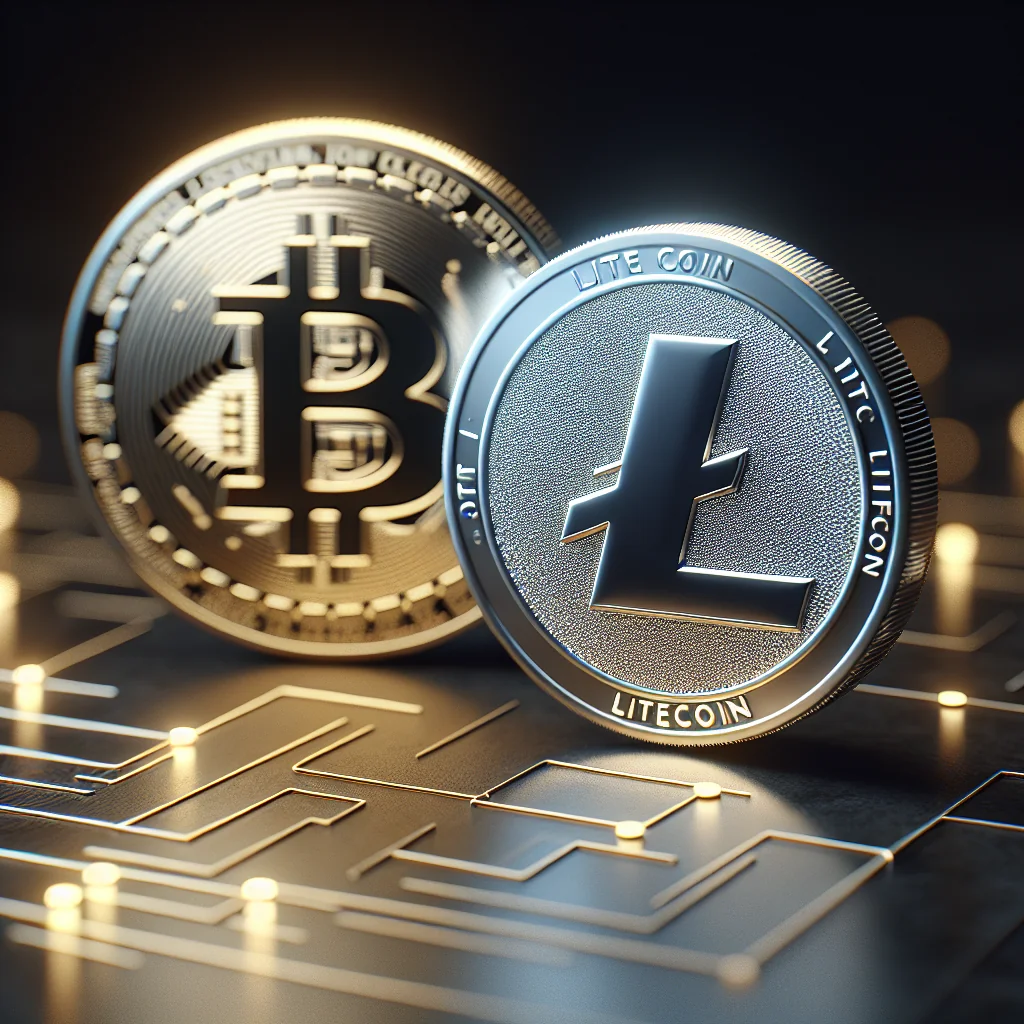
The Litecoin network is secured by miners, runs on its own blockchain, and has a fixed supply limit. Many people see Litecoin as “digital silver” compared with Bitcoin as “digital gold.”
Why that one-sentence definition matters
That short answer packs in the key ideas: Litecoin is global, does not rely on banks, and follows clear rules for supply. Once you understand those points, the rest of Litecoin’s design choices make more sense.
How Litecoin started and why it was created
Litecoin was launched in 2011 by Charlie Lee, a former Google engineer. The code is based on Bitcoin’s open-source software, but with a few key changes to speed and supply.
The goal was not to replace Bitcoin, but to complement it. Bitcoin was seen as a strong store of value, while Litecoin aimed to handle smaller, everyday payments more smoothly.
Over time, Litecoin became one of the longest-running public blockchains. That long history is one reason some users see Litecoin as more proven than many newer coins.
Litecoin’s early role as “digital silver”
In the early years, many people described Bitcoin and Litecoin using a gold and silver idea. Bitcoin was like gold for saving, while Litecoin was like silver for spending. That simple story helped many beginners understand why Litecoin existed at all.
How Litecoin works in plain language
Litecoin runs on a blockchain, which is a shared public ledger. This ledger records every Litecoin transaction that has ever taken place. Thousands of computers around the world keep copies of this ledger and agree on its state.
When someone sends Litecoin, the transaction is broadcast to the network. Miners group new transactions into blocks, then compete to add the next block to the chain using computing power. The winning miner adds the block and receives newly created Litecoin plus transaction fees as a reward.
This process, called proof of work, makes Litecoin resistant to fraud and double spending. No single person or company controls the network, which is why Litecoin is called decentralized.
Why proof of work and decentralization matter
Proof of work means attackers must spend real resources to try to cheat the system. Decentralization means there is no single server to shut down or control. Together, these traits help Litecoin stay online and honest, even when people disagree about its price or future.
Key features that define Litecoin
To understand what makes Litecoin different, it helps to look at its main design choices. These features affect speed, fees, and supply, which matter to both users and investors.
- Faster block time: Litecoin targets a new block every 2.5 minutes, while Bitcoin targets 10 minutes. Faster blocks usually mean quicker confirmations for transactions.
- Fixed supply cap: Litecoin has a maximum supply of 84 million coins. This is four times Bitcoin’s 21 million cap.
- Proof-of-work mining: Litecoin uses a mining algorithm called Scrypt. This was chosen to be more accessible to a wider range of hardware at launch.
- Open-source code: The code is public and can be reviewed, copied, or improved by anyone.
- Halving schedule: The reward that miners receive is cut in half at regular intervals. This slows new supply over time.
- Low-fee payments: Litecoin is often used for transfers that need low fees and decent speed, such as moving funds between exchanges.
These points together shape Litecoin’s role in the crypto space. Litecoin is not the fastest or cheapest coin today, but it offers a mix of speed, history, and simplicity that some users value.
How those features affect everyday use
Faster blocks and low fees help Litecoin feel smoother for routine payments. The fixed supply and halving schedule appeal to people who care about scarcity. Open-source code lets anyone check how Litecoin works, which can build trust over time.
What is Litecoin used for in practice?
Litecoin has several real-world uses. Some are practical payment uses, while others are more investment-focused. How you see Litecoin may depend on which of these matters more to you.
Many people use Litecoin to move funds between exchanges or wallets because transfers are usually confirmed faster and at lower cost than Bitcoin. Some online merchants and payment processors also accept Litecoin directly for goods and services.
Others treat Litecoin as a long-term asset, hoping the fixed supply and long history will support value over time. There are also users who trade Litecoin for short-term price moves, using it as a liquid market asset.
Everyday examples of Litecoin use
In practice, you might use Litecoin to top up an exchange account, pay a friend across borders, or test sending crypto with smaller amounts before using larger sums. These simple tasks show why speed and fees still matter.
Litecoin vs Bitcoin: key differences at a glance
Because Litecoin was based on Bitcoin’s code, the two are often compared. The table below summarizes some core differences that shape how each network behaves.
Litecoin vs Bitcoin: main technical and economic traits
| Feature | Litecoin (LTC) | Bitcoin (BTC) |
|---|---|---|
| Launch year | 2011 | 2009 |
| Block time target | 2.5 minutes | 10 minutes |
| Maximum supply | 84 million LTC | 21 million BTC |
| Mining algorithm | Scrypt (proof of work) | SHA-256 (proof of work) |
| Main use case | Faster, lower-fee payments | Store of value, settlement |
| Brand position | “Digital silver” | “Digital gold” |
These differences do not make one coin better in every way. Instead, they show that Litecoin and Bitcoin fill slightly different roles, even though they share many core ideas.
How to choose between Litecoin and Bitcoin
If you care most about long-term store of value, you might lean toward Bitcoin. If you need faster, cheaper transfers for smaller amounts, Litecoin can be more practical. Many people hold both and use each coin for different purposes.
Is Litecoin safe and legal to use?
Litecoin is open-source software and a global network of computers. From a technical view, Litecoin is as safe as the code, the miners, and the users who secure their own keys.
Legally, Litecoin’s status depends on your country. Some regions see Litecoin as a digital asset that can be traded and held, sometimes with tax rules. Other regions restrict or ban crypto use. You should always check local laws or speak with a qualified advisor before investing large amounts.
On a personal level, security depends heavily on how you store Litecoin. Using strong passwords, hardware wallets, and avoiding sharing private keys are key steps for safer use.
Basic personal safety tips for Litecoin
Treat your Litecoin wallet like a bank account that you control alone. Protect recovery phrases, use two-factor login on exchanges, and be careful with links and files from strangers. Small habits can prevent large losses.
How to get and store Litecoin in a basic way
You can access Litecoin through exchanges, brokers, or direct transfers from other users. The basic process is simple, though the details vary by platform and country.
Most people start by creating an account on a reputable crypto exchange, completing any required identity checks, and then buying Litecoin with fiat currency or another crypto. Once you own Litecoin, you can leave it on the exchange or move it to a private wallet.
Wallet options include mobile apps, desktop software, browser extensions, and hardware devices. Hardware wallets are usually seen as safer for larger amounts because they keep private keys offline.
Step-by-step: buying and holding your first Litecoin
The steps below outline a simple path from zero to holding Litecoin in your own wallet. Follow them at your own pace and adjust details to match your country and platform.
- Pick a well-known exchange that lists Litecoin and supports your region.
- Create an account and complete any identity checks the platform requires.
- Deposit funds in your local currency or another crypto that trades against LTC.
- Place a buy order for Litecoin, using either a market or limit order.
- Set up a personal wallet, write down the recovery phrase, and test a small send.
- Withdraw Litecoin from the exchange to your wallet address once you feel ready.
After these steps, you control your Litecoin directly instead of relying only on an exchange. That control brings more responsibility, so keep backups and security habits in mind.
Risks and limits of Litecoin you should know
Understanding what Litecoin is also means understanding what Litecoin is not. Litecoin is not guaranteed money, not backed by a government, and not free from risk. Prices can rise or fall quickly.
Market risk is the most obvious. Litecoin’s price can drop sharply in short periods, driven by sentiment, regulation news, or wider crypto moves. Never invest money you cannot afford to lose.
There is also technology and competition risk. New payment networks and blockchains launch often, some with faster speeds or extra features. Litecoin must stay relevant to keep user interest. In addition, users face personal security risks such as hacks, phishing, and loss of private keys.
Practical ways to manage Litecoin risk
You can reduce risk by limiting position size, avoiding heavy use of borrowed funds, and spreading exposure over time instead of buying in one large order. Regular reviews of your holdings and security setup also help you react early if your situation changes.
What is Litecoin’s place in the crypto ecosystem today?
Litecoin has moved from being a new Bitcoin alternative to a long-running, established project. Many exchanges list LTC, and many wallets support it by default.
Some people see Litecoin as a testbed for features that might later reach Bitcoin, while others see it as a simple, no-frills payment coin. Its long history and relative simplicity give Litecoin a clear identity in a crowded market.
Whether Litecoin fits your needs depends on your goals. For some, Litecoin is a way to send value quickly at low cost. For others, it is one part of a broader crypto portfolio. Either way, understanding what Litecoin is and how it works is the first step before using or investing in it.
Conclusion
Litecoin is a long-standing cryptocurrency that aims to offer faster and cheaper payments than Bitcoin while keeping a simple, transparent design. The Litecoin network uses proof of work, has a fixed supply, and runs on open-source code that anyone can inspect.
Before you buy or use Litecoin, make sure you understand the basics of how it works, how to store it safely, and what risks you are taking. With that foundation, you can decide whether Litecoin deserves a place in your payment habits or investment plans.
FAQs about Litecoin
This section covers short answers to common beginner questions on Litecoin. Use these as a quick reference and return to the main sections for deeper detail.
Is Litecoin better than Bitcoin for beginners?
Litecoin can feel easier for beginners because fees are often lower and confirmations are faster. However, Bitcoin has stronger brand recognition and more learning resources. Many newcomers start by learning both side by side.
Can Litecoin reach the same price as Bitcoin?
Litecoin has a larger maximum supply and a different market history than Bitcoin. Because of this, expecting Litecoin to match Bitcoin’s price per coin is speculation, not a plan. Focus instead on use cases, risk, and how much you can safely invest.
Do I need special hardware to mine Litecoin?
Litecoin uses the Scrypt mining algorithm. In the early days, people mined Litecoin with regular computers, but mining has become more competitive. Today, many miners use specialized devices, and home mining is rarely profitable for new users.